How to Protect Yourself from Phishing Attacks
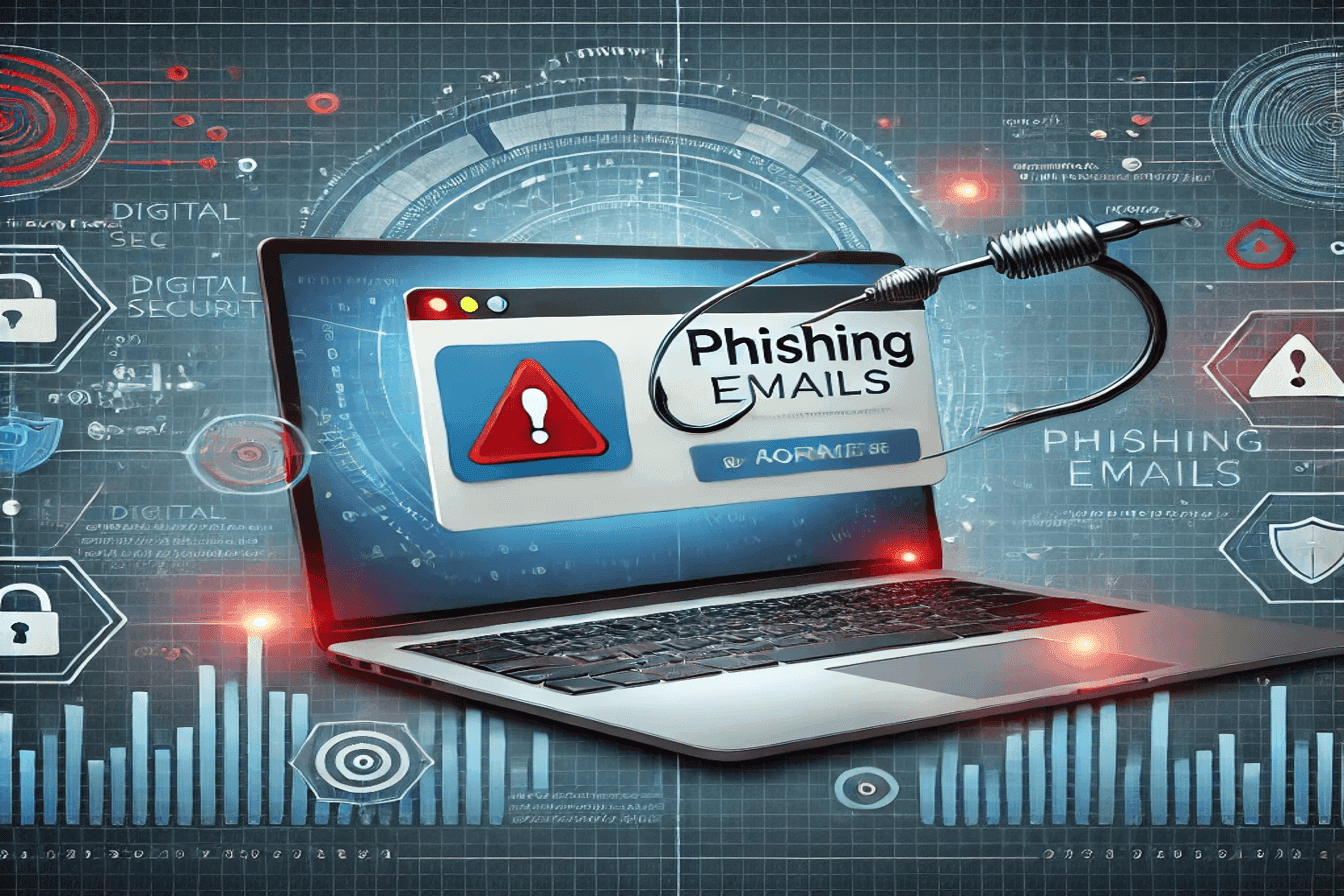
In the digital world, one of the most common cybersecurity threats is phishing attacks. In these attacks, cybercriminals present themselves as a trusted organization or individual and try to deceive users into revealing their passwords, credit card information, and other personal data.
How to recognize phishing attacks?
-
Suspicious email addresses – The message may look legitimate, but the sender’s address might not match the real company.
-
Urgent warnings – Phrases like “Your account will be closed” or “Change your password immediately” are designed to create panic.
-
Suspicious links and files – Clicking on unfamiliar or shortened links can be dangerous.
-
Grammar and spelling mistakes – Official correspondence from legitimate companies rarely contains errors.
How to protect yourself from phishing
-
Check links – Hover over a link before clicking to see the real address.
-
Use two-factor authentication (2FA) – Adds an extra layer of protection to your accounts.
-
Install antivirus and security software – Blocks malicious files in time.
-
Read emails carefully – Do not respond to suspicious messages.
-
Educate your employees – For companies, the most effective protection is ensuring that staff are aware of phishing threa
Author
Secop
Related articles